
What To Do After a Legal Name Change
Your name is a large part of your identity. Luckily, if the name you received at birth does not align with your identity, you can receive a court order to change it. The court order is the first step in the process. After receiving a court order to legally change your name, there are several other important steps to take. Many state and federal agencies link the name on your original birth certificate to you as a person. You must update these agencies with your new name in order to avoid future problems and truly make the new name your own.
Federal Name Change Steps:
At the federal level, the Social Security Administration will need your name to be updated to receive a new social security card. Obtaining a new social security card is critical to avoid problems with benefits such as federal retirement benefits, Medicare, and if you have a disability, Social Security Disability payments. Changing the name on your social security card is also important to monitor your credit, and for tax and banking purposes. For example, if you ever make a big purchase, like a home, or even open a bank account, banks will need the information on your social security card to match your other personal identification documents.
Updating your Social Security Card:
The Social Security Administration does not allow changes to be made online. You must fill out the Application for a Social Security Card form, attach the required documentation, and mail the form to the Social Security Office.
You must provide original documents to the Social Security Administration to change your social security card. These documents must show your citizenship, name change, and identity.
Citizenship:
U.S. Birth Certificate, or
U.S. Passport
Name Change:
Marriage document
Divorce decree
Certificate of Naturalization showing new name
Court order approving the name change
Identity
U.S. Driver’s License
State Issued ID
U.S. Passport
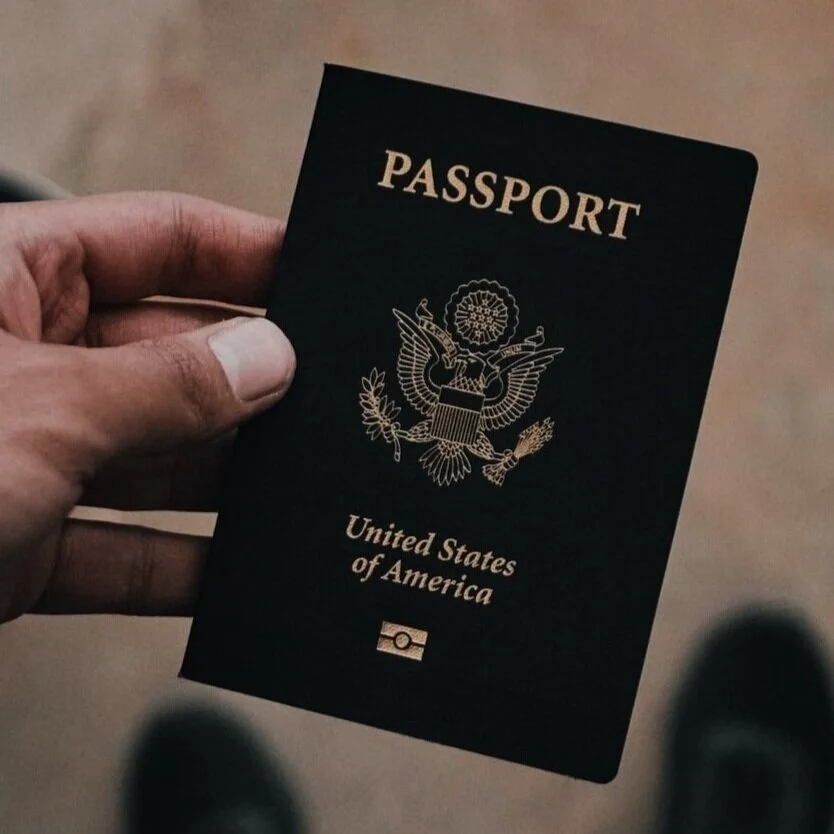
If you have a passport, you also may need to update it. The gender marker on your passport may also be updated if you have undergone a medical transition.
Updating your Passport:
Changing your name:
Complete the appropriate form and submit via USPS with your most recent U.S. Passport, a color passport photo, and an original or certified name change document. The form you use will depend upon whether your passport was issued less than one year from the request. Additionally, if your passport was issued more than a year before your name change request you will need to pay a renewal fee.
If your passport was issued less than one year ago use Form DS-5504.
If your passport was issued more than one year ago use Form DS-82 to renew your passport.
Renewal Fee $140
Changing your Sex Marker:
You must complete Form DS-11 and attach the following documents before submitting via mail:
ID that resembles your current appearance
Passport photo that resembles your current appearance
A medical certification that indicates you have had appropriate clinical treatment for transition to male or female, or are in the process of transition to male or female
Proof of legal name change (if applicable)
State Name Change Steps:
At the state level, you need to update your driver's license and birth certificate. The state you currently reside in will determine where you need to update your driver's license, but the state you were born in controls your birth certificate. In Tennessee, you may change your sex marker on your driver's license. However, current Tennessee law does not allow your gender to be changed on your birth certificate (this law is currently being challenged in court as of April 15th, 2021).
Updating your TN Driver's License:
You must visit the DMV to change your name on your driver’s license. When you visit make sure to bring the original document showing the reason for the change (i. e. the court order granting the name change) as well as your current license. Be prepared to pay a duplicate license fee ranging from 8 to 16 dollars.
Updating your Birth Certificate:
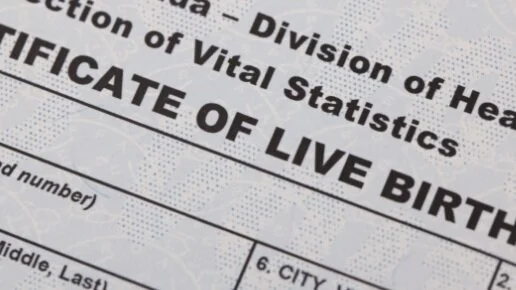
Updating your birth certificate must be done by the state in which you were born. Typically, you will need to contact the state’s Office of Vital Statistics and provide an original copy of the court-ordered name change and pay the required fee to have your name changed.
Legally changing your name is an important step in embracing your identity. It may seem as simple as filling out a few forms, but it can be overwhelming. At Joe Kwon Law, we understand this and want to help. If you have any questions about this process, contact us today!
